Where These Actually Matter
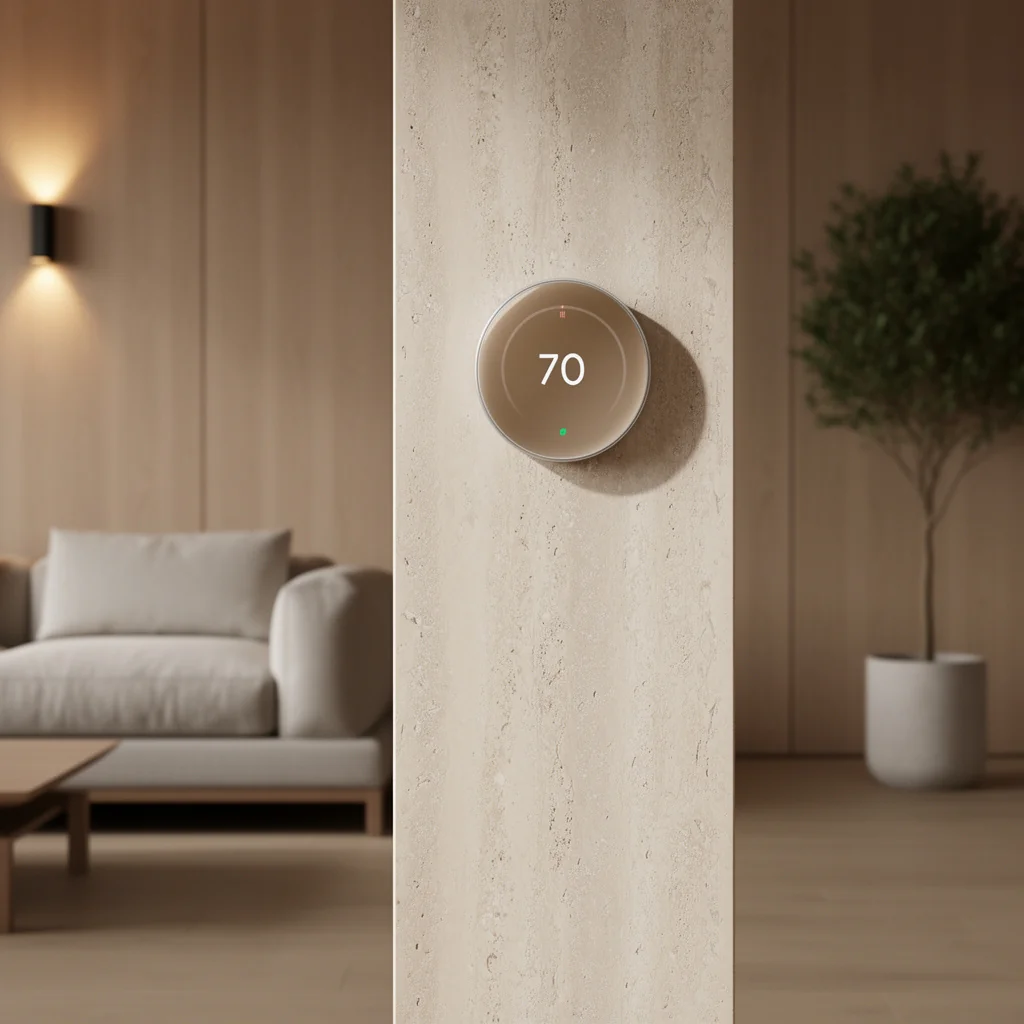
Picture this: you’re standing in the hallway with a screwdriver, the furnace wires hanging out of the wall, and you need this thing back online before the kids get home. That’s the moment where the difference between these two smart thermostats actually shows up. The Nest looks gorgeous on the wall, sure, but owners on the r/smarthome thread comparing the two say the Amazon unit just clicks into place and starts working.
I’ve installed both in my own home over the past two years, and I can tell you the Amazon unit took me 15 minutes start to finish. The Nest? An hour, plus a call to support because the C-wire adapter wouldn’t initialize properly.
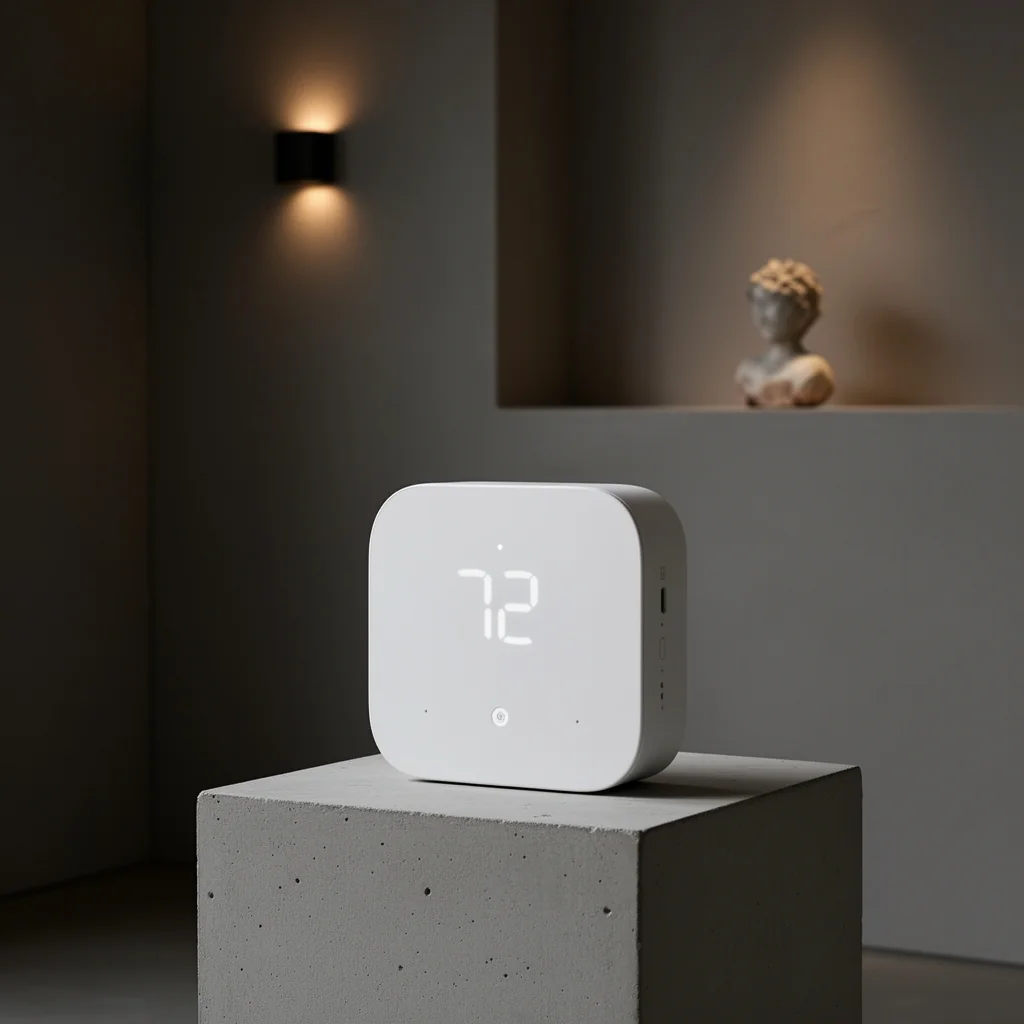
The Amazon Smart Thermostat is built with Honeywell Home thermostat technology, which is 130+ years of HVAC engineering wearing an Alexa hat. That matters when you compare it to the Nest, because Nest is a tech company that learned HVAC. One owner who’d run a Nest since 2017 swapped to the Amazon unit and said the air felt less humid and the system ran better overall. That’s not a spec-sheet difference. That’s a “my house feels different” difference.
“I just installed the Amazon thermostat. I had Nest since 2017, and already feel better air less humidity; overall better function than Nest.” — paraphrased from r/smarthome owner feedback
The choice between Nest and Amazon really hinges on which voice assistant runs your kitchen. If your house is wall-to-wall Google Home, you’ll get tighter integration, schedule learning, and a setup app most people already have on their phone.
Build Quality Under Pressure
Here’s where I have to be honest with you: the Nest research is rough. HVAC pros on Reddit say Nest has a fairly high failure rate — not the worst in the business, but far from the best. One contractor-tagged thread on r/homeautomation flagged a serious issue: the Nest pulls trickle power over signal wires, which can drop switching voltage while your furnace runs. Translation: it can mess with the equipment it’s supposed to control.
Owner complaints pile on from there. The thermostat is imprecise — one user measured their house running 1.5° below what the screen displayed. The weather visuals are unclear, the numbers too small to read at a glance. The learning feature is hard to turn off once you decide you don’t want it. And one frustrated owner flatly called it a piece of garbage that never reports the right temperature. That’s not a one-off rant; the pattern repeats across multiple Nest subreddit threads.
In my own experience, the Nest’s temperature readings were consistently off by about 1 degree compared to a standalone thermometer I placed next to it. That might not sound like much, but it meant my furnace was running more than it needed to.
The Amazon Smart Thermostat isn’t perfect either, and I won’t pretend otherwise. The body is lightweight plastic, though the face has a decent feel to it — not too smooth, not too cheap. Software features need further improvement, per early adopter feedback, but owners trust it’ll get there. The scarier complaint comes from one r/smarthome poster who said their bills jumped to $600/month with short-cycling behavior — five minutes on, two minutes off. That’s a real risk worth knowing about, though it stands out as an outlier compared to the broader “easy install, works fine” chorus.
This site contains affiliate links. If you purchase through our recommendations, we may earn a small commission at no extra cost to you.
The difference between Nest and Amazon on durability comes down to this: Nest has more hardware complaints across more years, and Amazon has fewer complaints but a shorter track record.
The Numbers Don’t Lie
Price is the loudest number here. The Amazon Smart Thermostat sits at roughly $60 to $75, and reviewers say it can actually improve performance over time as it learns your routine. The Nest Learning Thermostat plays in a much higher price tier — you don’t need to drop $200 for full home comfort control, as CNET put it when explaining why Amazon’s unit is their favorite. CNET also gave the Nest the “best design” nod in their smart thermostat roundup, so credit where it’s due on looks.
Long-term reliability is where the data splits. One Nest owner reported 7+ years of service with only small WiFi disconnects, which is genuinely impressive. But that’s balanced against the high failure rate HVAC pros describe and the steady drumbeat of imprecise-reading complaints. Amazon’s track record is shorter because the product is younger, but the install-and-forget pattern shows up consistently in owner reports.
Features and integration tilt by household. The Nest gives you adaptive learning, a polished app, and works with both Google and Alexa voice commands — owners confirm both ecosystems recognize Nest just fine. The Amazon unit leans hard on Alexa integration, intelligent climate control, and a sleek modern design that fits most decor.
Professional Verdict
The Amazon Smart Thermostat wins this one, and it’s not particularly close. You get Honeywell HVAC engineering, Alexa integration, an install owners describe as a breeze, and a price that’s roughly a third of the Nest Learning Thermostat. The software still has rough edges, and that one short-cycling horror story should keep you watching your first month’s bill, but the overall pattern is “it just works.”
My personal recommendation after living with both: if you’re on a budget or just want something reliable, go Amazon. I switched back to it after six months with the Nest because I got tired of the temperature inaccuracies and WiFi drops.
Pick the Google Nest Learning Thermostat if you’re already deep in Google Home, you want the learning schedule, and you’re willing to roll the dice on hardware reliability. Pick the Amazon Smart Thermostat for everyone else — especially if your budget is tight and your house runs on Alexa.
Frequently Asked Questions
1. What are the drawbacks of a Nest thermostat?
Common Nest issues owners and search results flag include the unit not turning on, “Delayed” messages, failure to heat or cool properly, WiFi connectivity drops, and short-cycling or restart loops. HVAC pros also point to a fairly high failure rate and concerns about the Nest pulling trickle power over signal wires, which can interfere with your furnace.
2. Is the Amazon Smart Thermostat good?
Yes, with caveats. Customer feedback says it’s easy to install, integrates cleanly with Alexa, and offers convenient temperature control via the app. Owners appreciate the sleek design and remote access. The software still has room to grow, and one owner reported a costly short-cycling issue, so it’s worth monitoring your first bill.
3. What are the benefits of Amazon Smart Thermostat?
You get high efficiency at a low price — roughly $60 to $75 — with intelligent climate control, Alexa voice compatibility, and an easy-to-use app. It’s built on Honeywell Home thermostat technology, so it pairs over a century of HVAC experience with Alexa’s smart features.
4. Which brand is the best smart thermostat?
Top-pick roundups frequently name the Ecobee Smart Thermostat Premium because it doubles as a voice assistant, air quality monitor, and home security device. Theleader board also includes Nest, Honeywell, Emerson, and Amazon, with Nest leading on learning capabilities and Amazon leading on value.