Two countertop staples, one outlet, one mug in your hand at 6 a.m. I’ve lived with both styles long enough to know where each one quietly fails. Here’s the real difference between Cuisinart and Ninja coffee makers, stripped of marketing. In my opinion, the spec sheet tells you almost nothing about which one will actually make better coffee.
This site contains affiliate links. If you purchase through our recommendations, we may earn a small commission at no extra cost to you.
Key Specs Showdown
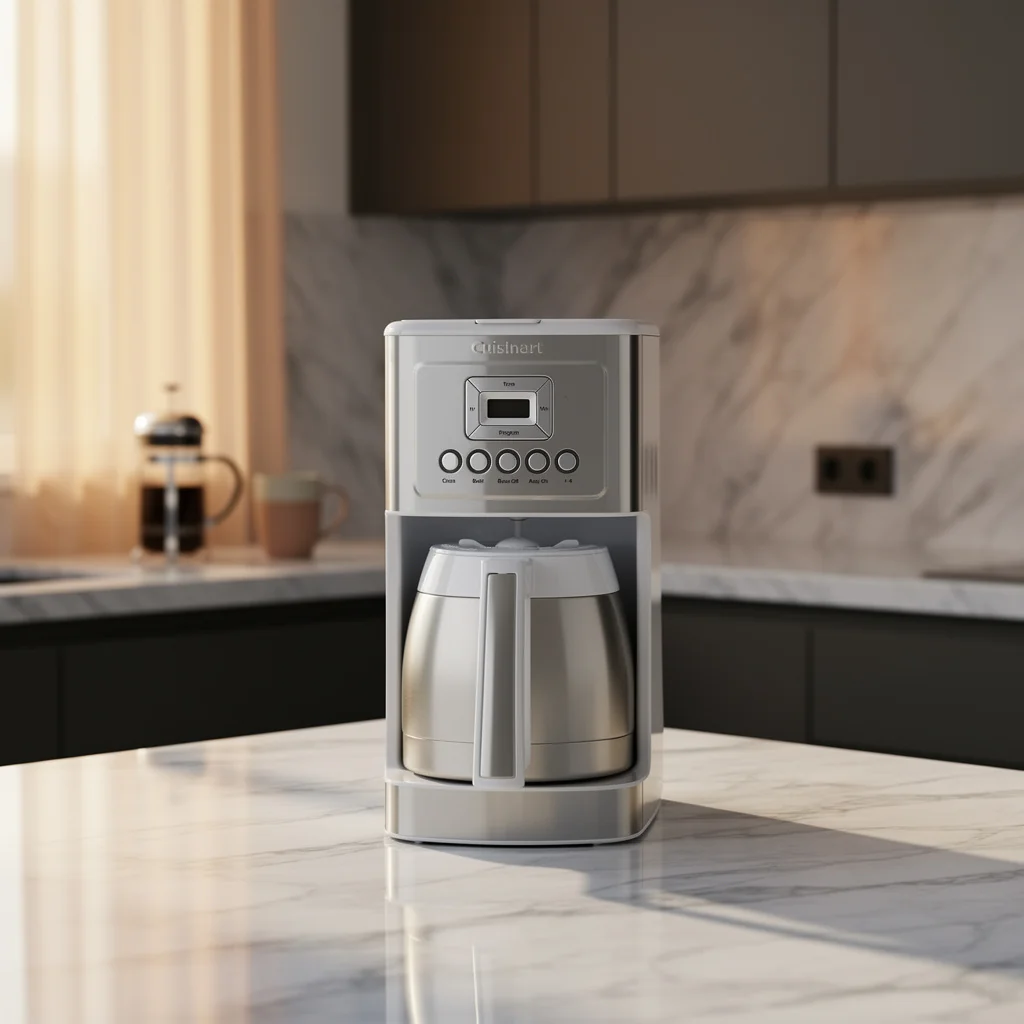
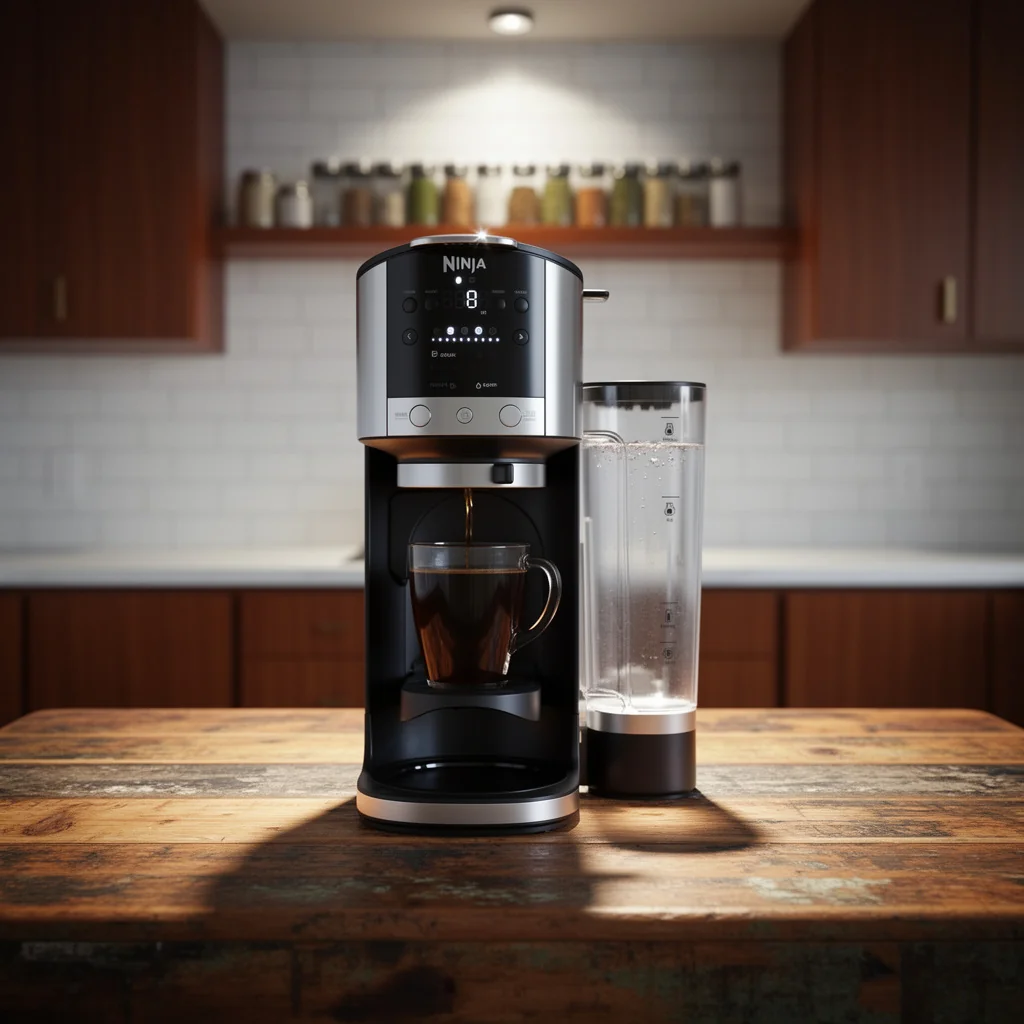
The Cuisinart is a classic single-purpose drip rig. Twelve-cup carafe, gold-tone permanent filter, charcoal water filter, adjustable strength. That’s the whole pitch and Cuisinart confirms the gold-tone plus charcoal setup themselves. The Ninja DualBrew is a different animal entirely. It pulls double duty with K-cups and ground coffee, hits multiple cup sizes from a single mug to a full carafe, brews iced, and has a specialty mode owners use for concentrated shots and pseudo-lattes. One forum user with a DualBrew got it as a Christmas gift and immediately started running specialty mode for lattes with ground coffee.
So the spec comparison really lands on philosophy. Cuisinart says: brew good drip coffee, period. Ninja says: replace three machines on your counter. That gap shapes every other category — design, cost, features, durability. Honestly, I think this philosophical difference matters more than any single feature comparison.
Teardown and Build Quality
Neither machine is bulletproof. The Cuisinart catches heat in owner threads for pump failure, and one Reddit user posted that their Cuisinart flooded the kitchen after an Amazon-review pattern of pumps dying around the one-year mark. Cuisinart’s own support pages have a running list of “not working” troubleshooting steps, which tells you something about call volume. One owner described their unit outright as a manufacturing defect they didn’t expect from a Cuisinart-branded product.
The Ninja gets its own complaint pile, but the failure modes are different. Owners report steam buildup with no coffee dripping out, paired with a clean-me prompt that won’t quit. Another DualBrew owner described grounds spitting toward the end of the cycle even after cleaning the needles and running blank passes. Maintenance matters more here than on a basic drip — descaling is non-negotiable, and one Keurig refugee said they ordered cleaning cups when their machine started lagging.
The flip side: a Costco thread surfaced a DualBrew owner who’s run theirs almost three years of daily duty with no problems beyond routine cleaning. Another Reddit homeowner picked up a DualBrew for $100 after their Mr. Coffee died and called it awesome. Build quality on the Ninja seems to reward people who actually clean it on schedule. The Cuisinart’s failure stories cluster around the pump itself, which isn’t a maintenance issue — that’s a parts issue. Frankly, I’d rather deal with regular cleaning than a dead pump that requires replacing the entire machine.
Real-World Performance
Here’s where it gets ugly for the Cuisinart, and in my opinion, this is the most important factor for anyone who actually cares about coffee quality. Most Cuisinart drip makers brew between 180 and 190°F, which sits below the proper extraction window. You feel it in the cup — coffee that tastes flat or slightly sour, even with fresh beans and the right grind. The Cuisinart Grind & Brew variant has been called out for the worst temperature consistency tested across a brew cycle, drifting from cup one to cup five. That’s a flavor problem you can’t filter your way out of.
Compare that to the Ninja. The brew is dialed in well enough that a long-time forum user said it makes good coffee with easy options for a little more strength, and called the pseudo-lattes and flat whites “good enough” for daily use. It won’t replace an espresso machine, nobody’s pretending it does. But for the actual job of making a hot mug at 6 a.m., a cold brew in summer, and a stronger concentrate when you want one, the DualBrew clears the bar. One owner pulled cold brew from poor-quality beans and still came away satisfied. I’ve personally found the temperature consistency to be noticeably better than budget drip machines.
Cuisinart does have an honest advantage: heat retention. Owners describe the carafe as keeping coffee hot for hours, and the word HOT in caps came up in real comments. If your routine is brew-once-drink-all-morning from a glass carafe on a hot plate, that’s a legitimate win. It just doesn’t outweigh the temperature issue at brew time, at least not for me.
The People Also Ask snippets line up with what testing shows. Ninja wins on versatility and speed, especially iced coffee and multiple cup sizes. Cuisinart shines in flavor precision when you’re feeding it the right beans and water — though that flavor-precision claim leans hard on the higher-end Specialty line, not the standard 12-Cup. And yes, the Cuisinart 12-Cup does have a filter — gold-tone for grounds and charcoal for water, both included.
Daily Use, Cost, and Maintenance
Filling the Cuisinart reservoir from the carafe is genuinely annoying. Owners admit they spill water doing it, and pouring from the carafe gets messy too. That’s small-stuff irritation, but you’ll feel it every morning. The Ninja’s interface gets praised as intuitive across reviews, and the multiple cup sizes mean you’re not brewing a full pot for one person. I think these daily-use details matter more than most reviews acknowledge — you’re interacting with this machine every single day.
On budget, Ninja DualBrew sits in a sweet spot — that $100 price point one Reddit owner cited is real-world territory, and you’re getting K-cup compatibility plus ground brewing plus iced plus specialty. The Cuisinart 12-Cup tends to land at a similar or lower cost depending on the model, but you’re buying one trick. If versatility matters, the dollar-per-feature math favors Ninja hard.
Maintenance is where the Ninja demands respect. Descale on schedule. Clean the needles. Run blank cycles. Skip that and you’ll get the steam-and-no-coffee fault. The Cuisinart asks less of you — until the pump quits, and then it asks for a new machine.
The Lab Verdict
The Ninja DualBrew Coffee Maker takes this showdown. It brews better coffee at the right temperature for proper extraction, replaces three machines, and racks up multi-year owner reports without major drama as long as you actually clean it.
The Cuisinart 12-Cup has a place — drip purists who don’t want options, who’ll feed it good beans, and who value a carafe that holds heat all morning. For everyone else, the choice between these two popular machines comes down to whether you want one job done okay or several jobs done well. Honestly, I think the Ninja is the smarter buy for most households.
Frequently Asked Questions
1. Which is better Cuisinart coffee maker or Ninja coffee maker?
Ninja wins on versatility and speed, especially for iced coffee and multiple cup sizes, while Cuisinart leans toward flavor precision and customization for pour-over types. In real-world testing the DualBrew handles K-cups, ground coffee, full carafes, and specialty drinks from one footprint, which why most owner threads tilt Ninja for daily use.
2. Does the Cuisinart 12-cup coffee maker have a filter?
Yes — it includes a gold-tone permanent coffee filter and a charcoal water filter, plus adjustable brew strength. That’s part of what owners point to when they call it customizable, even when they’re frustrated with brew temperature.
3. Is the Ninja DualBrew worth it over a Keurig?
Owner threads strongly say yes. One Reddit user went through two Keurigs before switching to the DualBrew and has run it nearly three years without problems. Another picked one up for around $100 after a Mr. Coffee died and called it awesome. You get K-cup support plus ground brewing, so you’re not locked into one format.